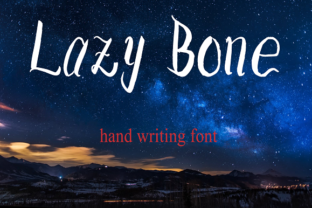
Discover the Fun and Bold Style of Lazy Bone
If you're looking for a typeface that brings energy, creativity, and a touch of fun to your designs, Lazy Bone is an excellent choice. This modern, bold font has a unique style that stands out while maintaining a fresh and approachable feel. Whether you're working on a logo, branding project, greeting card, or poster, Lazy Bone can elevate your design with its distinctive character.
Lazy Bone is more than just a font—it's a tool that can help you express your brand's personality in a way that's both memorable and visually engaging. Its playful yet professional look makes it suitable for a wide range of applications, from casual projects to more formal designs. Understanding how to use Lazy Bone effectively can make a significant difference in how your message is received by your audience.
Understanding the Needs and Challenges of Designers
Designers often face the challenge of finding the right typeface that aligns with their creative vision while also meeting practical requirements. A font needs to be legible, versatile, and capable of conveying the intended tone. For those who want to add a sense of fun or uniqueness to their work, traditional fonts may not always fit the bill.
This is where Lazy Bone comes into play. It offers a balance between creativity and functionality, making it ideal for designers who want to stand out without sacrificing clarity. Whether you're working on a brand identity, marketing material, or personal project, Lazy Bone provides a fresh alternative that can bring new life to your designs.
How Lazy Bone Can Help Address Common Design Challenges
One of the key benefits of Lazy Bone is its ability to add visual interest without overwhelming the viewer. Its bold strokes and slightly informal shape make it perfect for headlines, titles, and other elements that need to capture attention. At the same time, it remains readable enough for body text in certain contexts, depending on the design goals.
For instance, if you're creating a logo for a boutique or a creative business, Lazy Bone can help communicate a sense of innovation and approachability. In contrast, if you're designing a poster for a music event or a product launch, this font can add a dynamic and energetic vibe that resonates with your target audience.
Practical Applications of Lazy Bone
The versatility of Lazy Bone means it can be used in various design scenarios. Here are some common applications:
- Logos and Branding: Lazy Bone adds a unique flair to logos, helping brands establish a distinct identity that stands out in a crowded market.
- Greeting Cards: Whether for birthdays, weddings, or holidays, Lazy Bone can make your cards more eye-catching and expressive.
- Posters and Banners: Use Lazy Bone to create attention-grabbing headlines that draw people in and convey your message with style.
- Marketing Materials: Incorporate Lazy Bone into brochures, flyers, or social media graphics to add a fun and modern touch to your campaigns.
By choosing Lazy Bone, you're not only selecting a font but also making a statement about your design philosophy. It allows you to communicate your message in a way that feels authentic and engaging.
Considerations When Using Lazy Bone
While Lazy Bone is a powerful tool, it's important to consider how it will work within your overall design. The font's boldness and style may not be suitable for every project. For example, if you're designing something that requires a more formal or minimal aesthetic, Lazy Bone might not be the best fit.
It's also essential to test the font in different sizes and contexts to ensure it maintains its readability and impact. Pairing Lazy Bone with complementary fonts can help balance its boldness while still keeping your design cohesive. Additionally, understanding your audience's preferences can guide you in deciding when and how to use this font effectively.
Exploring Different Approaches to Using Lazy Bone
Designers may choose to use Lazy Bone in various ways depending on their goals. Some might use it as a primary headline font to create a strong visual hierarchy, while others might incorporate it as a secondary element to add subtle flair. The key is to experiment and find what works best for your specific project.
For example, a designer working on a children's book cover might use Lazy Bone to create a playful title that captures the imagination. On the other hand, a graphic designer working on a tech startup's branding might use it to add a modern twist to the company's name, making it more memorable and distinctive.
Ultimately, the way you use Lazy Bone will depend on your creative vision and the message you want to convey. By understanding the font's strengths and limitations, you can make informed decisions that enhance your design outcomes.
Conclusion: Embrace the Creative Potential of Lazy Bone
Lazy Bone is more than just a stylish font—it's a valuable asset for designers who want to add personality and energy to their work. With its bold, modern appearance, it offers a fresh alternative to traditional typefaces, making it ideal for a wide range of design projects.
Whether you're looking to create a striking logo, a vibrant poster, or a unique greeting card, Lazy Bone can help you achieve your design goals with ease. By understanding how to use this font effectively, you can unlock new creative possibilities and bring your ideas to life in a way that feels both innovative and impactful.