Rude Cookie: A Bold, Unique Font for Creative Projects
If you're looking for a font that stands out and adds personality to your designs, Rude Cookie is a strong contender. This striking typeface combines whimsy with sophistication, making it ideal for projects that need a touch of flair without sacrificing readability. With its unique characters and multiple weights, Rude Cookie offers versatility that can elevate any creative endeavor.
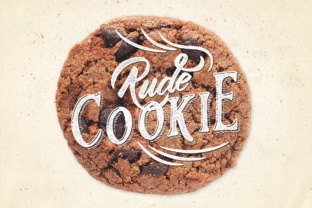
At first glance, Rude Cookie feels like a handwritten script with a modern twist. Its characters have subtle irregularities that give it a handcrafted feel, while the overall structure remains clean and legible. The font’s ornamental details add visual interest, especially in headings or logos where impact matters most. These flourishes don’t overwhelm the design—they complement it, creating a balance between artistic expression and clarity.
Where Rude Cookie Shines
Rude Cookie isn’t just another display font—it’s a tool that can enhance various design applications. Whether you’re working on a logo, a social media graphic, or a packaging design, this font brings character and energy to the table. Its versatility makes it suitable for both digital and print formats, ensuring it looks great across different mediums.
- Logo Design: Rude Cookie adds a playful yet professional edge to brand identities, especially for businesses targeting a younger or more creative audience.
- Editorial Design: Use it for headlines in magazines, newsletters, or blog posts to create a visually engaging layout that draws readers in.
- Packaging Design: The font’s unique style can make product labels or packaging stand out on store shelves, helping brands capture attention.
- Social Media Graphics: Whether designing Instagram posts, Facebook banners, or Twitter headers, Rude Cookie adds a custom, high-quality look to your visuals.
For small businesses or independent creators, Rude Cookie can be a valuable addition to their design assets. It helps establish a distinct brand voice and creates a memorable visual identity that resonates with audiences.
How Rude Cookie Influences Design
Typography plays a crucial role in how a design is perceived. Rude Cookie’s distinctive style can influence several aspects of a project, from readability to brand recognition. While it’s not intended for body text, its use in headlines, titles, or key phrases can create a strong visual hierarchy that guides the viewer’s eye through the composition.
When used strategically, Rude Cookie can reinforce a brand’s personality. For example, a boutique coffee shop might use it in their logo to convey a sense of creativity and warmth. A tech startup could pair it with a modern sans serif to strike a balance between innovation and approachability.
Consistency is key in branding, and Rude Cookie’s multiple weights allow for flexible use across different design elements. You can use lighter weights for subheadings and heavier ones for main titles, maintaining a cohesive look throughout your materials.
Choosing the Right Font for Your Project
Selecting the right font involves more than just picking something that looks good. It requires understanding how the font will perform in different contexts. When considering Rude Cookie, ask yourself: What message do I want to convey? Who is my audience? What tone should the design have?
For instance, if you’re designing a wedding invitation, Rude Cookie could add a personal, elegant touch. But if you’re creating a financial report, it might not be the best choice. Always evaluate how the font aligns with the project’s goals and the expectations of the target audience.
Testing font pairings is also essential. Rude Cookie works well with clean, neutral fonts that provide contrast without clashing. A simple serif or sans serif can balance its ornate details, resulting in a polished and professional look. Experiment with different combinations to find what feels right for your design.
Practical Tips for Using Rude Cookie
If you’re new to using Rude Cookie, start by exploring the different weights included in the font family. Each weight offers a unique visual effect, so take time to understand how they can be applied in your work. For example, the bold version might be perfect for a headline, while the regular weight could work well for a tagline or subtitle.
Readability is another important factor. Even though Rude Cookie is a display font, it should still be easy to read at larger sizes. Avoid using it in long paragraphs or small text, as this can reduce legibility. Instead, focus on using it where it can make the biggest impact—like in logos, banners, or promotional materials.
When it comes to commercial use, make sure you have the proper licensing. Rude Cookie is a commercial font, so check the terms of use to ensure it fits your project’s needs. Some fonts may require additional licenses for specific applications, so it’s always wise to verify before incorporating them into your work.
Finally, don’t hesitate to experiment. Typography is an art form, and Rude Cookie offers plenty of room for creativity. Whether you’re designing a poster, a website, or a book cover, this font can help you create something truly unique.