Gumdrop: A Handwritten Font for Creative Expression
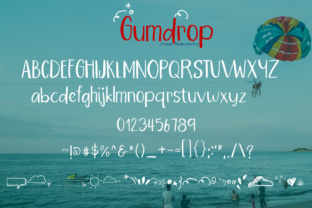
Gumdrop is a casual, handwritten font that brings a unique artistic flair to any design project. Created with a bitty brush and watercolors, this font features a textured appearance and wobbly, rough edges that mimic the natural imperfections of hand-drawn lettering. Its abstract and artistic qualities make it an ideal choice for those looking to add a personal touch to their work.
What Makes Gumdrop Unique?
Gumdrop stands out due to its distinct visual characteristics. Unlike traditional fonts that are precise and uniform, Gumdrop embraces irregularities that give it a more organic feel. The texture and watercolor effects contribute to a sense of warmth and authenticity, making it perfect for creative projects that value individuality over perfection.
The font's design is influenced by mixed media compositions and collages, where the goal is often to create a layered, dynamic look. This makes Gumdrop particularly appealing for designers who want to convey a sense of spontaneity and artistic freedom in their work.
When Is Gumdrop a Good Fit?
Gumdrop is best suited for projects that benefit from a handcrafted aesthetic. It works well in branding elements such as logos, posters, and packaging when the goal is to communicate creativity, playfulness, or a connection to the arts. Its informal nature also makes it a good choice for invitations, greeting cards, and other personal or event-related materials.
In digital environments, Gumdrop can be used to add visual interest to websites, social media posts, or presentations. However, it’s important to consider legibility when using it in larger blocks of text. While it excels in short phrases or headings, it may not be the best option for body copy due to its irregular shapes and spacing.
Considerations and Tradeoffs
One of the main considerations when using Gumdrop is its suitability for different mediums. While it shines in print and digital art, it may require additional adjustments when used in certain formats. For example, if the font is scaled down too much, the details may become difficult to read, which could affect the overall effectiveness of the design.
Another factor to keep in mind is the context in which the font is used. Gumdrop’s informal and artistic style may not be appropriate for professional or formal settings. In such cases, a more structured and clean font might be a better choice to maintain a polished appearance.
Alternatives to Consider
For users who prefer a more consistent and readable font, alternatives like Brush Script or Lobster offer similar artistic styles while maintaining better legibility. These fonts still provide a handcrafted feel but are designed with more uniformity in mind, making them suitable for a wider range of applications.
If the goal is to achieve a more modern or minimalist look, sans-serif fonts like Montserrat or Open Sans may be more appropriate. These fonts are versatile and easy to read, making them ideal for both digital and print use.
Practical Decision-Making Insights
When deciding whether to use Gumdrop, it’s helpful to evaluate the specific needs of the project. Ask questions such as: What is the intended audience? What message or emotion should the design convey? Are there any constraints related to readability or formatting?
Testing the font in different contexts can also be useful. Experimenting with how it appears in various sizes, colors, and backgrounds can help determine its effectiveness for a particular purpose. Additionally, considering the overall design theme can ensure that the font complements rather than clashes with other elements.
For those new to using handwritten fonts, starting with smaller projects or mockups can provide valuable insights. This allows for a gradual understanding of how the font performs in real-world scenarios before applying it to more critical or high-visibility work.
Conclusion
Gumdrop offers a distinctive and artistic approach to typography, making it a compelling choice for creative projects that prioritize originality and expression. Its textured and watercolor-inspired design adds a human touch that can enhance the visual appeal of a wide range of materials. However, it’s important to weigh its strengths against potential limitations, such as legibility and appropriateness for certain contexts.
By carefully considering the goals of the project and the expectations of the audience, designers can make informed decisions about whether Gumdrop aligns with their needs. Whether used as a focal point or as part of a broader design strategy, Gumdrop has the potential to bring a unique and expressive quality to any work.