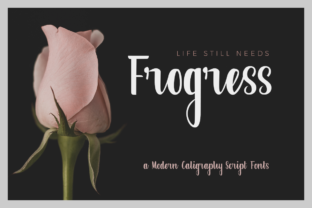
Frogress: A Modern Calligraphy Style Font for Purposeful Design
Frogress is a fresh, modern calligraphy style font that blends classical elegance with contemporary simplicity. Its unique balance of structure and fluidity makes it ideal for creating designs that feel both professional and personal. Whether you're working on branding, editorial layouts, or digital content, Frogress offers a versatile tool that enhances visual communication without overwhelming the viewer.
As a font that bridges traditional typography with modern design sensibilities, Frogress fits naturally into workflows where clarity and character are essential. It’s particularly useful in projects that require a human touch—such as invitations, presentations, or marketing materials—where a more organic feel can make a significant difference.
Understanding Frogress in the Broader Process
In any creative or professional workflow, the choice of typography plays a crucial role in shaping the final outcome. Frogress stands out by offering a clean yet expressive alternative to standard fonts. It’s not just about aesthetics; it’s about how the font interacts with the message and the medium.
For instance, when designing a brand identity, Frogress can serve as a secondary typeface that complements a primary sans-serif or serif font. Its subtle variations in stroke weight and spacing allow it to blend seamlessly with other elements while still standing out when needed. This makes it a valuable asset in the early stages of concept development, where visual exploration is key.
Using Frogress in Different Phases of a Project
The versatility of Frogress means it can be used effectively at various points in a project lifecycle. During the planning phase, it can help visualize how text will look in different formats, such as print or web. This early integration allows for better decision-making and reduces the need for last-minute adjustments.
During execution, Frogress can be used to enhance the readability and appeal of content. For example, in a blog post or newsletter, using Frogress for headings or pull quotes can add a layer of sophistication without disrupting the flow of information. Its legibility at smaller sizes makes it suitable for body text in certain contexts, though it’s generally best reserved for emphasis or decorative purposes.
After the project is complete, Frogress can contribute to long-term brand consistency. By incorporating it into templates, stationery, or digital assets, users can maintain a cohesive visual language across all touchpoints. This helps reinforce brand recognition and ensures that the font remains a reliable part of the design ecosystem.
Integration with Other Tools and Methods
Frogress works well alongside other design tools and platforms. In graphic design software like Adobe Illustrator or Canva, it can be paired with other fonts to create balanced compositions. Its compatibility with different file formats ensures that it can be used across multiple mediums, from print to web.
When working with teams, Frogress can be shared as a downloadable font file or embedded in design systems. This facilitates collaboration and ensures that everyone involved in a project has access to the same visual elements. It also supports version control, making it easier to track changes and maintain consistency over time.
For those using content management systems or website builders, Frogress can be integrated through custom CSS or font libraries. This allows for seamless application across websites, ensuring that the font looks consistent on all devices and screen sizes.
Practical Implementation Tips
To get the most out of Frogress, consider the following tips:
- Use it selectively: Frogress is best used for headlines, logos, or decorative elements rather than large blocks of text. Overuse can reduce readability and dilute its impact.
- Pair it wisely: Combine it with complementary fonts that have contrasting characteristics. For example, pair it with a clean sans-serif for a modern look or a classic serif for a more traditional feel.
- Test it in context: Before finalizing a design, test Frogress in different sizes and backgrounds to ensure it reads well and maintains its aesthetic appeal.
- Keep it organized: Store Frogress in a dedicated font folder or library to avoid confusion with other typefaces. This also makes it easier to locate when needed.
Workflow Examples and Observations
Consider a scenario where a small business owner is creating a new logo. They might start by sketching ideas and then use Frogress to experiment with different typography options. The font’s balance of formality and approachability can help convey the brand’s personality effectively.
Another example is a marketer preparing a social media campaign. By using Frogress for captions or banners, they can add a visually appealing element that catches attention without being distracting. This can increase engagement and make the content more memorable.
For educators or presenters, Frogress can be used in slides or handouts to highlight key points. Its elegant appearance can make information more digestible and visually engaging, especially in academic or professional settings.
Factors to Consider for Long-Term Use
When integrating Frogress into a long-term workflow, several factors should be considered. First, ensure that the font is compatible with all the platforms and tools your team uses. This includes checking for licensing agreements and file formats.
Usability is another important factor. If multiple people will be using the font, make sure it’s easy to access and apply consistently. This may involve setting up shared folders or cloud storage solutions.
Consistency in design is crucial for maintaining a strong visual identity. Frogress should be used in a way that aligns with the overall brand guidelines. This includes defining when and how it should be applied across different materials.
Finally, consider the long-term maintenance of Frogress. As design trends evolve, it may be necessary to revisit how the font is used. Regularly reviewing and updating design assets can help keep the visual language relevant and effective.
Conclusion: Embracing Frogress in Your Workflow
Frogress is more than just a font—it’s a tool that can enhance the visual quality of your work while adding a personal touch. Its ability to blend classical elements with modern design makes it a valuable addition to any creative or professional workflow.
By understanding how to use Frogress effectively, you can improve the clarity, consistency, and appeal of your designs. Whether you’re working on a small project or a large-scale initiative, Frogress offers a flexible solution that supports both practical implementation and artistic expression.