ZP Raisin Cookie and the Whimsical World of Hand-Printed Typography
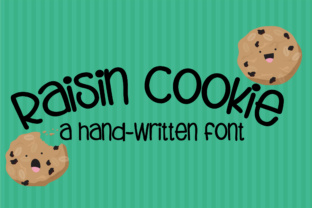
In the ever-evolving landscape of typography, certain typefaces stand out not just for their visual appeal but for the stories they tell and the emotions they evoke. ZP Raisin Cookie is one such typeface—a whimsical hand-printed font that brings a touch of playful charm to any design. Its unique characteristics, including stubby ascenders and descenders, make its letters nearly uniform in height, giving it a distinct and memorable aesthetic.
What makes ZP Raisin Cookie particularly intriguing is its ability to blend the organic feel of handwritten text with the consistency required for digital use. This balance allows it to be both expressive and functional, making it suitable for a wide range of applications—from branding and packaging to editorial design and user interfaces.
The Characteristics of ZP Raisin Cookie
At first glance, ZP Raisin Cookie appears almost childlike, with its uneven strokes and slightly irregular shapes. However, this is not a flaw but a deliberate design choice. The font’s stubby ascenders and descenders create a sense of rhythm and harmony, while the nearly uniform letter heights give it a cohesive look that is easy on the eyes.
One of the most notable features of ZP Raisin Cookie is its hand-printed quality. Each character seems to have been crafted by hand, which adds a level of authenticity and warmth that machine-generated fonts often lack. This characteristic makes it ideal for projects that aim to convey a personal or artisanal touch.
The font also has a subtle asymmetry that prevents it from appearing too rigid or mechanical. This natural variation gives it a more human feel, making it especially well-suited for designs that want to communicate approachability and creativity.
Applications and Use Cases
ZP Raisin Cookie finds its place in a variety of design contexts, particularly where a friendly and informal tone is desired. For instance, it is often used in branding for small businesses, cafes, and boutique shops that want to establish a cozy and inviting atmosphere. Its playful nature can help differentiate a brand in a competitive market.
In the realm of packaging design, ZP Raisin Cookie can be an effective tool for creating eye-catching labels and product names. Its unique style helps products stand out on shelves, especially when paired with bold colors or illustrative elements. This makes it a popular choice for food and beverage brands looking to capture attention without sacrificing readability.
Another area where ZP Raisin Cookie shines is in editorial design, such as magazine layouts, book covers, and promotional materials. Its versatility allows it to work well in both headings and body text, depending on how it is scaled and spaced. When used in larger sizes, it can serve as a striking headline, while in smaller sizes, it maintains legibility without losing its character.
Advantages of Using ZP Raisin Cookie
One of the key advantages of ZP Raisin Cookie is its ability to add personality to a design. In a world where many digital experiences are highly standardized, using a unique font like this can help create a memorable and distinctive identity. It allows designers to express individuality and creativity without relying on complex graphics or illustrations.
Additionally, ZP Raisin Cookie is highly adaptable. While it may not be the best choice for long blocks of text due to its stylized appearance, it can be effectively used in short phrases, titles, and captions. This makes it a valuable asset for designers who want to enhance specific elements of a layout without overwhelming the overall composition.
From a technical standpoint, ZP Raisin Cookie is also well-optimized for digital use. It supports a wide range of characters and languages, making it accessible for international projects. Its file size is relatively small, which ensures fast loading times and smooth performance across different platforms.
Considerations and Best Practices
While ZP Raisin Cookie offers many benefits, it is important to use it thoughtfully. Overuse or improper application can lead to readability issues, especially in larger text sizes or dense paragraphs. Designers should consider the context in which the font will be used and ensure that it complements rather than competes with other design elements.
Pairing ZP Raisin Cookie with complementary fonts can also enhance its effectiveness. For example, combining it with a clean sans-serif or serif font can create a balanced contrast that draws attention to key elements without sacrificing clarity. This approach is particularly useful in multi-layered designs where different typographic styles are needed to convey various messages.
Another consideration is the target audience. While ZP Raisin Cookie works well for younger demographics or creative industries, it may not be the best fit for more formal or professional settings. Designers should evaluate whether the font aligns with the tone and expectations of the intended audience before incorporating it into a project.
Exploring the Future of Hand-Printed Typography
The rise of hand-printed fonts like ZP Raisin Cookie reflects a growing appreciation for authenticity and craftsmanship in the digital age. As more designers seek to differentiate their work through unique visual identities, the demand for stylized typefaces continues to increase. This trend is likely to influence future developments in typography, encouraging more experimentation and innovation in font design.
Moreover, the integration of hand-printed elements into digital workflows highlights the evolving relationship between traditional and modern design practices. Tools that allow for greater customization and control over typography are becoming more accessible, enabling designers to experiment with a wider range of styles and effects. This shift opens up new possibilities for creative expression and artistic exploration.
As the design landscape continues to evolve, fonts like ZP Raisin Cookie will remain relevant for those who value character, emotion, and storytelling in their work. Whether used for branding, editorial design, or personal projects, its unique qualities offer a fresh and engaging way to communicate ideas and connect with audiences.