NoNo: A Playful Font for Professional and Creative Workflows
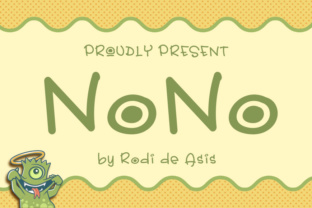
In the world of design and typography, finding a font that balances personality with professionalism can be challenging. NoNo is a comical font that brings a playful energy to any project while still maintaining a level of versatility suitable for a wide range of applications. Whether you're working on branding, editorial content, or digital assets, NoNo offers a unique voice that can enhance your creative output without overshadowing the message.
Understanding NoNo and Its Role in Design Processes
NoNo is more than just a stylistic choice—it's a tool that can influence how a message is perceived. Its comical nature makes it ideal for projects that aim to convey fun, creativity, or a lighthearted tone. However, its adaptability means it can also be used in more serious contexts when paired appropriately with other design elements.
For professionals in marketing, branding, or content creation, NoNo can serve as a differentiator. It allows for visual variety without compromising readability. When integrated into a broader design process, it can help create a cohesive aesthetic that aligns with the overall brand identity or project goals.
Before starting a project, designers often consider the tone and audience. NoNo fits naturally into scenarios where the goal is to engage, entertain, or communicate in a more approachable way. It’s particularly effective in campaigns targeting younger demographics or in environments where a relaxed, friendly vibe is desired.
Using NoNo in Different Stages of a Project
The timing of NoNo's use can vary depending on the project's needs. In the early stages of planning, it can be used to brainstorm visual concepts or develop mood boards. Its playful nature can inspire creativity and encourage out-of-the-box thinking during the ideation phase.
During the execution phase, NoNo can be applied to headings, logos, or UI elements to add a distinctive touch. It works well in combination with more traditional fonts, allowing for contrast that draws attention without overwhelming the viewer. For example, pairing NoNo with a sans-serif font like Helvetica or Arial can create a balanced and modern look.
After a project is completed, NoNo can still play a role in quality control and refinement. Reviewing designs with this font can help ensure that the tone remains consistent across all materials. It can also be used in feedback sessions to gauge how the audience might perceive the visual style.
Integrating NoNo into Existing Workflows
One of the key benefits of NoNo is its compatibility with various design tools and platforms. It can be easily imported into graphic design software such as Adobe Illustrator, Photoshop, or Figma. This makes it accessible for both seasoned designers and those new to typography.
When integrating NoNo into an existing workflow, it’s important to consider how it interacts with other design elements. For instance, if a brand already uses a specific color palette or typeface, NoNo should complement rather than clash. Testing the font in different contexts—such as print, web, or mobile—can help identify potential issues before finalizing a design.
For teams working on collaborative projects, having a shared library of fonts like NoNo ensures consistency across all deliverables. This is especially useful in environments where multiple designers are involved, as it reduces the risk of mismatched styles or inconsistent messaging.
Practical Implementation Tips for Using NoNo
To get the most out of NoNo, start by experimenting with different sizes and weights. While the font has a playful character, it can still be used in subtle ways to enhance readability without drawing too much attention. For example, using it for subheadings or callout text can add visual interest without disrupting the flow of content.
Another tip is to use NoNo selectively. Overusing it can dilute its impact and make the design feel cluttered. Instead, reserve it for key elements where its personality will have the greatest effect. This could include headlines, logos, or social media graphics where a bold, memorable look is needed.
When working on digital projects, consider how NoNo appears on different devices and screen sizes. Some fonts may not render consistently across platforms, so testing is essential. Tools like Google Fonts or Typekit can help ensure that the font displays correctly on websites and apps.
Enhancing Creativity and Expression with NoNo
NoNo isn’t just a font—it’s a way to express creativity in a structured format. For educators, it can be used in lesson plans or educational materials to make content more engaging for students. For entrepreneurs, it can add a personal touch to business cards, presentations, or marketing collateral.
Freelancers and small business owners can benefit from NoNo by using it to differentiate their work in a competitive market. A unique font can help establish a brand’s identity and make it more memorable to clients or customers.
For hobbyists and creatives, NoNo offers a fun way to explore typography and design. It encourages experimentation and can lead to new ideas that might not have been possible with more conventional fonts. This makes it a valuable addition to any creative toolkit.
Long-Term Use and Maintenance of NoNo
When considering long-term use, it’s important to ensure that NoNo remains relevant and functional. As design trends evolve, the font may need to be updated or replaced. However, its playful yet versatile nature means it can remain useful for years, especially in niche or specialized applications.
Maintaining a consistent visual identity is crucial for brands and individuals who rely on typography to communicate their message. Regularly reviewing how NoNo is used across different platforms and materials can help identify areas for improvement or adaptation.
Finally, staying informed about updates and variations of NoNo can help users take full advantage of its features. Many font providers offer additional weights, ligatures, or language support that can expand the font’s usability in different contexts.