Moon Chin: A Script Font That Combines Elegance and Personality
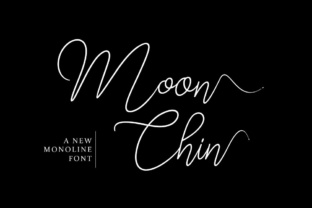
Moon Chin is a distinctive script font that stands out for its unique combination of grace and warmth. Designed with a dancing baseline, it brings a sense of movement and fluidity to any text it graces. This makes it particularly appealing for projects that require a touch of femininity, creativity, or a homemade aesthetic. Whether used in branding, editorial design, or digital content, Moon Chin offers a refreshing alternative to more rigid typefaces.
At its core, Moon Chin is a connecting script, meaning the characters flow seamlessly from one to the next. This feature gives it a cohesive and polished look, especially when used in longer text blocks. The font’s design emphasizes readability without sacrificing style, making it suitable for both decorative and functional applications.
Key Characteristics of Moon Chin
One of the most notable aspects of Moon Chin is its clean and refined appearance. Unlike some scripts that can feel overly ornate or difficult to read, Moon Chin balances complexity with clarity. Its curves are soft yet well-defined, and its strokes maintain a consistent weight throughout. This consistency ensures that the font remains legible even at smaller sizes, which is essential for practical use.
The font also has a distinctly feminine character, thanks to its flowing lines and gentle shapes. This makes it ideal for brands targeting women or those looking to convey a sense of approachability and charm. However, its versatility means it can also be used in more neutral or professional contexts without feeling out of place.
Another defining trait of Moon Chin is its homemade touch. While it maintains a high level of polish, there’s an underlying warmth and authenticity that sets it apart from more mechanical typefaces. This quality can be especially valuable for small businesses, independent creators, or personal projects seeking to build a more intimate connection with their audience.
Practical Applications and Real-World Use
Moon Chin shines in a variety of design scenarios. For instance, it works exceptionally well in logo design, where its elegance and personality can help differentiate a brand. It’s also effective for headings, titles, and short text blocks in print or digital media, such as brochures, social media posts, or website banners.
In editorial design, Moon Chin can add visual interest to magazine layouts, book covers, or newsletters. Its ability to blend style with readability makes it a strong choice for projects that require both aesthetic appeal and clear communication. When paired with a complementary sans-serif or serif font, it can create a balanced and dynamic typographic hierarchy.
For digital use, Moon Chin is compatible with most design software and web platforms. Its open-source nature allows for easy integration into various workflows, making it accessible to designers, developers, and content creators alike. However, users should ensure that the font is properly licensed for their intended use, especially if it’s being deployed on websites or in commercial projects.
Strengths and Limitations
One of Moon Chin’s greatest strengths is its adaptability. It can be used in both formal and informal settings, depending on how it’s applied. Its soft, flowing style lends itself well to creative industries, while its clean structure supports more traditional design needs. This flexibility makes it a valuable addition to any designer’s toolkit.
Another strength is its emotional resonance. The font’s friendly and approachable nature can evoke a sense of trust and familiarity, which is beneficial for brands aiming to build a loyal customer base. Its homemade aesthetic also appeals to audiences who value authenticity and craftsmanship.
However, Moon Chin may not be the best choice for every project. Its script style can be less effective in large bodies of text, where legibility becomes a priority. Additionally, its feminine characteristics might not align with all brand identities, particularly those aiming for a more masculine or neutral tone. Users should consider their target audience and overall design goals before incorporating Moon Chin into their work.
Who Benefits Most from Moon Chin?
Moon Chin is particularly well-suited for professionals in creative fields, such as graphic designers, illustrators, and marketers. It can enhance the visual identity of their work and provide a unique voice to their designs. Entrepreneurs and small business owners may also find it useful for branding initiatives, especially those focused on lifestyle, fashion, or wellness niches.
Bloggers, publishers, and content creators can benefit from using Moon Chin in headlines, captions, or promotional materials. Its ability to draw attention while maintaining readability makes it a powerful tool for engaging readers. Educators and students working on presentations or creative projects may also appreciate its aesthetic and ease of use.
For hobbyists and DIY enthusiasts, Moon Chin offers a way to add a personal and artistic touch to their work. Whether creating handmade cards, custom illustrations, or home decor, the font’s warm and inviting style can elevate the final result.
Final Thoughts on Moon Chin
Moon Chin is more than just a stylish font—it’s a versatile tool that can enhance a wide range of design projects. Its balance of elegance, readability, and personality makes it a compelling choice for professionals and creatives looking to add a touch of sophistication to their work. While it may not be the best fit for every application, its strengths in visual appeal and usability make it a valuable asset in many contexts.
Ultimately, the decision to use Moon Chin depends on the specific needs and goals of the project. For those seeking a font that combines beauty with functionality, Moon Chin offers a compelling option that can bring a fresh and expressive dimension to their designs.