Hypertiroid: A Unique Handwritten Font for Digital Expression
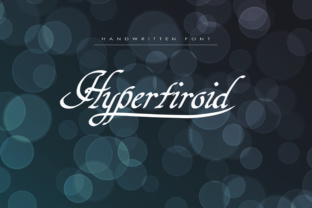
Hypertiroid is a distinctive handwritten font that blends the organic feel of pen-and-paper writing with the precision of digital design. Created using a stylus on a smartphone and refined on a PC, it offers a fresh alternative to traditional fonts, especially for those seeking a more personal or artistic touch in their work. Its unique characteristics make it stand out in a market filled with similar options, but understanding its strengths and limitations can help users decide if it’s the right choice for their needs.
What Makes Hypertiroid Different?
Hypertiroid is not just another font—it’s a reflection of human handwriting, captured digitally. Unlike most fonts, which are designed with precise geometric shapes, Hypertiroid retains the subtle irregularities and fluidity of real pen strokes. This gives it a warm, authentic quality that can add character to designs, branding, or creative projects.
The font was originally drawn with a stylus on a smartphone, capturing the natural flow of hand movement. It was then processed and optimized on a PC to ensure consistency and readability across different platforms. This hybrid approach allows Hypertiroid to maintain its handmade appeal while still being functional for digital use.
One of the key features that sets Hypertiroid apart is its versatility. It works well in both casual and professional contexts, depending on how it’s applied. Whether used for headings, logos, or body text, it can bring a sense of personality to any project without overwhelming the reader.
Comparing Hypertiroid with Similar Options
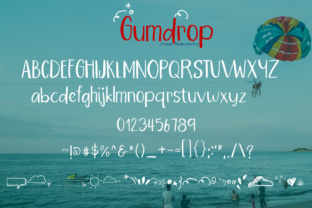
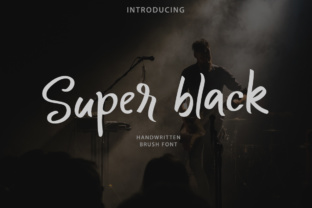
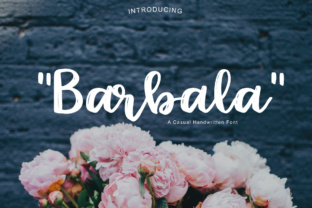
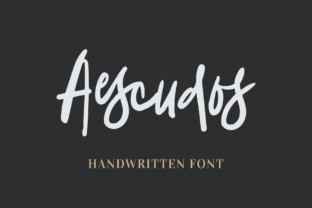
When evaluating Hypertiroid against other handwritten fonts, it’s important to consider factors like legibility, adaptability, and intended use. Many digital fonts aim to mimic traditional handwriting, but few capture the same level of nuance as Hypertiroid.
For example, some fonts may be overly stylized, making them difficult to read in long passages of text. Hypertiroid, on the other hand, balances style with readability, making it suitable for a wider range of applications. It’s particularly effective when used in short-form content, such as titles, labels, or social media posts.
Another consideration is the availability of similar fonts. While there are many handwritten fonts available online, few offer the same combination of authenticity and digital optimization. Hypertiroid’s creation process—starting with a smartphone and finishing on a PC—gives it a unique edge, as it maintains the imperfections of human handwriting while ensuring it functions well on screens.
Strengths and Tradeoffs of Hypertiroid
Hypertiroid’s main strength lies in its ability to convey a personal touch. It’s ideal for projects that require a human element, such as invitations, artwork, or branding that emphasizes creativity and individuality. Its organic look can also help differentiate a brand from competitors who rely on more rigid, mechanical fonts.
However, Hypertiroid may not be the best choice for every situation. In cases where clarity and uniformity are critical—such as in technical documents, legal texts, or large blocks of body copy—it may fall short compared to more structured fonts. The slight variations in letterforms can sometimes make it harder to read at smaller sizes or in dense layouts.
Another tradeoff is the font’s availability. While Hypertiroid may be accessible through certain platforms, it might not be as widely supported as more popular fonts. Users should check compatibility before incorporating it into a larger design project.
Best Fit Situations for Hypertiroid
Hypertiroid is most effective in scenarios where visual appeal and personality are prioritized over strict functionality. For instance, it could be used in:
- Branding materials that emphasize creativity and originality
- Artistic projects, such as illustrations, posters, or social media graphics
- Personal or small business websites looking for a distinctive visual identity
- Invitations, greeting cards, or other custom-printed items that benefit from a handmade aesthetic
In these contexts, Hypertiroid can enhance the overall look and feel of a project, adding a layer of warmth and individuality that more standardized fonts might lack.
When to Consider Alternatives
There are situations where a different font might be more appropriate. For example, if a user needs a font that is highly readable at small sizes or that works well in complex layouts, they may want to explore other options. Fonts like Arial, Helvetica, or Roboto are often preferred for their clean lines and consistent structure, especially in professional or technical environments.
Additionally, if a project requires a specific style—such as a retro, modern, or minimalist look—there may be other fonts that better align with those goals. For instance, a vintage-themed design might benefit from a font with a more aged or distressed appearance, while a tech-focused project might prefer something sleek and futuristic.
Ultimately, the decision comes down to the purpose of the project and the message the user wants to convey. Hypertiroid is a strong option when the goal is to express creativity and individuality, but it may not be the best fit for every use case.
Practical Examples and Use Cases
Consider a small business owner creating a logo for a boutique coffee shop. Using Hypertiroid could give the brand a friendly, approachable feel that resonates with customers looking for a personalized experience. The font’s handwritten nature would complement the shop’s atmosphere, making the logo more memorable and relatable.
In contrast, a financial institution aiming to project professionalism and reliability might opt for a more traditional font. Here, Hypertiroid could appear too informal or inconsistent, potentially undermining the brand’s image. In this scenario, a serif or sans-serif font would likely be a better choice.
Another example is a designer working on a social media campaign for a new line of handmade jewelry. Hypertiroid could be used in headlines and captions to reinforce the artisanal aspect of the products. Its natural, flowing style would align with the theme of craftsmanship and uniqueness.
Conclusion: Making an Informed Choice
Hypertiroid offers a compelling blend of authenticity and digital functionality, making it a valuable tool for those who want to add a personal touch to their work. Its unique creation process and visual appeal set it apart from many other fonts, but it’s important to weigh its strengths and limitations against the specific needs of a project.
By considering factors like readability, context, and design goals, users can determine whether Hypertiroid is the right choice for their needs. When used appropriately, it can enhance visual communication and add a distinct personality to any project. However, in situations where clarity and consistency are paramount, alternative fonts may provide a more effective solution.