Bridgetown: The Elegant Signature Font for Every Designer
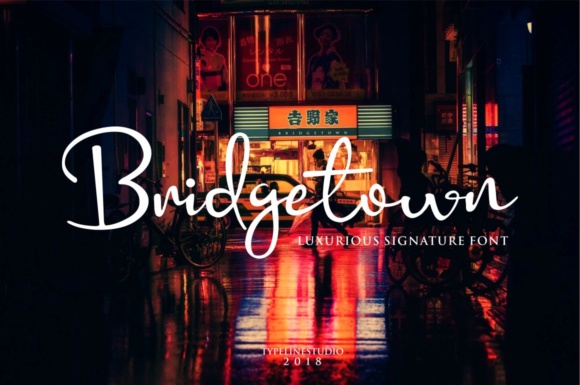
If you're looking for a font that adds a touch of sophistication and personality to your designs, Bridgetown by Typelines Studio is a standout choice. This elegant signature font is designed to elevate your visual projects, making it ideal for logos, posters, branding materials, and more. But while its beauty is undeniable, there are several key considerations to keep in mind to ensure you get the most out of this font.
What Is Bridgetown and Why Does It Matter?
Bridgetown is more than just a font—it's a design tool that brings a unique, handcrafted feel to your work. Its fluid, stylized letters give it a personal, artistic quality that can make your brand or project stand out. Whether you're creating a logo for a new business or designing a poster for an event, Bridgetown offers a level of elegance that is hard to match with other fonts.
Its versatility makes it suitable for both digital and print media, and its clean lines ensure readability even at smaller sizes. However, like any font, it's important to understand how to use it effectively to avoid common pitfalls.
Common Mistakes When Using Bridgetown
One of the most frequent mistakes users make with Bridgetown is overusing it. While the font has a strong visual presence, using it too often can lead to cluttered, unprofessional-looking designs. For example, applying it to entire paragraphs of text can reduce legibility and distract from the message you're trying to convey.
Another common issue is not considering the context in which the font will be used. Bridgetown works best in creative, artistic, or high-end applications. If you're designing something that requires a more traditional or minimal look, such as a corporate report or a technical document, it may not be the best fit. Choosing the right font for the right purpose is essential for effective communication.
Overlooking Font Licensing and Usage Rights
Many designers overlook the importance of checking licensing details before using a font like Bridgetown. While it's tempting to download and use a font without reading the terms, doing so can lead to legal issues, especially if you're using it for commercial purposes. Always verify that the license allows for the intended use, whether it's for personal projects, small businesses, or large-scale marketing campaigns.
Some users also fail to check if the font is available in different weights or styles. Bridgetown may come in various forms, and understanding these options can help you create more dynamic and visually appealing designs. For instance, using a bold version for headings and a lighter version for body text can add depth and contrast to your layout.
Ignoring Readability and Accessibility
While Bridgetown is beautiful, it's crucial to consider how readable it is, especially for audiences with visual impairments. Some stylistic elements of the font, such as ornate flourishes or tight spacing, can make it difficult to read in certain contexts. Always test the font in different sizes and backgrounds to ensure it remains clear and accessible.
For example, using Bridgetown on a dark background with low contrast can make it challenging to read. Instead, opt for high-contrast combinations, such as black text on a white background, to maintain clarity. Additionally, avoid using it in long blocks of text—stick to short headlines, titles, or decorative elements where its style can shine without compromising readability.
Choosing the Right Tools and Platforms
Not all design software supports every font equally. Before downloading and using Bridgetown, make sure it's compatible with the tools you're working in. Adobe Creative Suite, Figma, and Canva all support custom fonts, but some platforms may require specific file formats, such as OTF or TTF.
Also, consider the file size and performance impact of using the font. Large font files can slow down design projects, especially when working with multiple layers or complex layouts. Always keep your workflow efficient by choosing fonts that balance style and performance.
Best Practices for Using Bridgetown Effectively
To get the most out of Bridgetown, start by identifying the specific areas where it will have the greatest impact. Use it for headlines, logos, or short phrases rather than full paragraphs. This approach ensures that the font's unique style enhances your design without overwhelming it.
Another practical tip is to pair Bridgetown with complementary fonts. For example, combining it with a clean sans-serif typeface like Helvetica or Arial can create a balanced, professional look. This contrast helps guide the viewer's eye and improves overall readability.
Finally, always preview your designs in different formats and environments. Test how Bridgetown looks on screens, printed materials, and mobile devices to ensure consistency across all platforms. This step can save time and prevent last-minute adjustments that could affect the final outcome.
What to Check Before Using Bridgetown
Before incorporating Bridgetown into your projects, take the time to review the following:
- Licensing: Confirm that the font is licensed for your intended use, whether personal or commercial.
- Compatibility: Ensure the font works with your design software and file formats.
- Readability: Test the font in different sizes and settings to ensure it remains clear and accessible.
- Style: Consider how the font aligns with your brand's identity and the message you want to communicate.
By taking these steps, you can avoid potential issues and make informed decisions that enhance your design work.
Conclusion: Make the Most of Bridgetown
Bridgetown is a powerful tool for adding elegance and character to your designs. However, its effectiveness depends on how it's used. By avoiding common mistakes, understanding licensing requirements, and focusing on readability and compatibility, you can unlock its full potential. Whether you're a designer, marketer, or small business owner, Bridgetown offers a unique way to express creativity and professionalism in your work.